
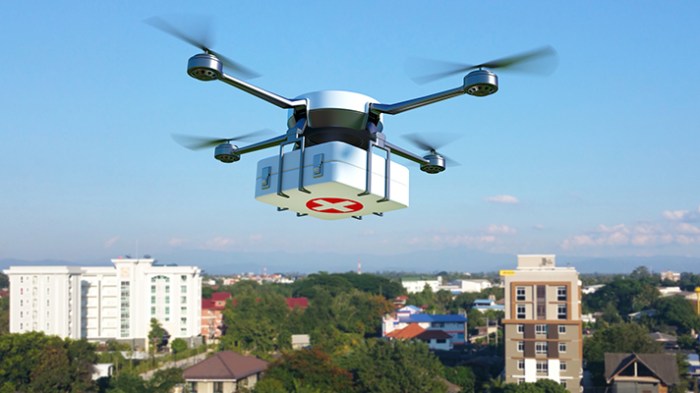
Apian wing fly nhs blood samples drone london first – Apian Wing flies first NHS blood samples by drone in London, marking a significant leap forward in healthcare logistics. This innovative partnership between Apian Wing and the NHS signifies a paradigm shift in blood sample transportation, potentially revolutionizing patient care and streamlining processes within the UK’s healthcare system.
Imagine a future where blood samples are swiftly transported by drones, minimizing delays and ensuring timely diagnoses. This is the vision that Apian Wing and the NHS are striving to achieve, leveraging cutting-edge technology to enhance patient care and optimize healthcare delivery.
The Rise of Drone Delivery in Healthcare
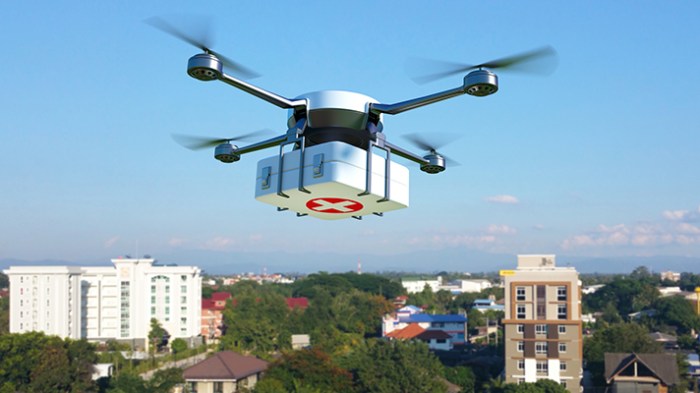
The use of drones for delivering medical supplies and blood samples is rapidly gaining traction, promising to revolutionize healthcare logistics. Drone delivery offers numerous advantages over traditional methods, including faster delivery times, reduced costs, and expanded access to healthcare services, especially in remote areas.
Current State of Drone Delivery in Healthcare
Drone delivery in the healthcare sector is still in its early stages but has already demonstrated significant potential. Several companies and organizations worldwide are actively exploring and implementing drone delivery solutions for various medical applications.
- Faster Delivery Times:Drones can navigate traffic congestion and reach destinations faster than traditional ground transportation, ensuring timely delivery of critical medical supplies and reducing delays in emergency situations.
- Cost Reduction:Drone delivery can significantly reduce transportation costs, particularly for long distances and remote areas, freeing up resources for other healthcare priorities.
- Improved Accessibility:Drones can reach remote and underserved communities with limited infrastructure, expanding access to essential healthcare services and medications.
Challenges of Drone Delivery in Healthcare
Despite the promising potential, drone delivery in healthcare faces several challenges that need to be addressed before widespread adoption.
Obtain a comprehensive document about the application of 7 most in demand programming languages that is effective.
- Regulatory Framework:The use of drones for commercial purposes, including healthcare delivery, requires clear and comprehensive regulations to ensure safety and security. Governments and regulatory bodies are still working to establish robust frameworks for drone operations.
- Safety and Security:Ensuring the safe and secure transportation of medical supplies and sensitive patient information is paramount. Robust security measures, including secure communication protocols and anti-theft mechanisms, are essential.
- Public Acceptance:Public perception and acceptance of drone technology play a crucial role in the successful implementation of drone delivery systems. Addressing concerns about privacy, noise pollution, and potential risks is crucial.
Successful Drone Delivery Initiatives in Other Countries
Several countries have successfully implemented drone delivery programs for healthcare purposes, demonstrating the feasibility and benefits of this technology.
- Rwanda:Zipline, a drone delivery company, has been operating a drone delivery service in Rwanda since 2016, delivering blood samples and medical supplies to remote hospitals and health centers. The program has significantly reduced delivery times and improved access to healthcare services.
- Australia:The Australian government has been actively supporting drone delivery initiatives, including a program in the Northern Territory that uses drones to deliver essential medications to remote communities.
- United States:The Federal Aviation Administration (FAA) has issued guidelines for drone operations and is working to develop regulations for commercial drone delivery. Several companies are conducting pilot programs for drone delivery of medical supplies and pharmaceuticals.
Regulatory Landscape of Drone Delivery in the UK
The UK government has been actively promoting the development and use of drone technology, including for healthcare applications. The Civil Aviation Authority (CAA) regulates drone operations in the UK, and the government has established a Drone Strategy to promote responsible and safe use of drones.
“The UK government is committed to ensuring that the UK is a world leader in the development and use of drone technology. We believe that drones have the potential to revolutionize many sectors, including healthcare, and we are working to create a regulatory environment that supports innovation while ensuring safety and security.”
UK Government
Apian Wing’s Role in Blood Sample Transport: Apian Wing Fly Nhs Blood Samples Drone London First
Apian Wing is a pioneering company at the forefront of drone technology, committed to revolutionizing healthcare logistics through innovative and efficient drone delivery solutions. With a deep understanding of the complexities involved in transporting sensitive medical samples, Apian Wing has developed a specialized fleet of drones specifically designed for blood sample transport.
These drones are meticulously engineered to ensure the safe, timely, and reliable delivery of crucial medical specimens, playing a pivotal role in enhancing patient care and streamlining healthcare operations.
Drone Design for Blood Sample Transport
Apian Wing’s drones are meticulously designed to prioritize the safety and integrity of blood samples during transport. The drones are equipped with temperature-controlled compartments that maintain a stable environment, crucial for preserving the quality of blood samples. These compartments are fitted with sensors that continuously monitor and record temperature data, ensuring that samples remain within the optimal range throughout the flight.
The drones are also equipped with shock absorbers to minimize vibrations and protect the samples from any potential damage during transport.
Features and Functionalities
Range and Payload Capacity
Apian Wing’s drones are capable of covering significant distances, allowing for efficient transportation of blood samples across urban and rural areas. The range of these drones can vary depending on the specific model and flight conditions, but they are designed to handle long-distance flights with minimal stops.
The drones have a payload capacity that can accommodate multiple blood samples, enabling efficient transport of large volumes of specimens in a single flight.
Tracking Capabilities
To ensure complete transparency and accountability, Apian Wing’s drones are equipped with advanced tracking systems. These systems allow healthcare providers to monitor the location and status of the drone in real-time, providing peace of mind and ensuring that the samples are delivered safely and on schedule.
The tracking data can be accessed through a dedicated platform, providing a comprehensive overview of the flight path, altitude, speed, and battery levels. This real-time tracking functionality enables efficient coordination and minimizes the risk of delays or mishaps during transportation.
NHS Collaboration and Impact
Apian Wing’s partnership with the NHS in London is a testament to the potential of drone technology in revolutionizing healthcare delivery. This collaboration aims to leverage the efficiency and speed of drone delivery to optimize blood sample transportation, ultimately improving patient outcomes.
Potential Benefits of Drone Delivery, Apian wing fly nhs blood samples drone london first
The use of drones for blood sample transportation within the NHS offers a number of potential benefits:
- Reduced Delivery Times:Drones can navigate traffic congestion and travel directly to their destinations, significantly reducing delivery times compared to traditional transportation methods. This is particularly advantageous for urgent blood tests, where timely delivery is crucial for accurate diagnosis and treatment.
- Improved Patient Outcomes:Faster delivery times for blood samples mean quicker turnaround times for test results, enabling clinicians to make timely and informed decisions about patient care. This can lead to earlier diagnosis, more effective treatment, and potentially better overall health outcomes for patients.
- Increased Accessibility:Drones can access remote and underserved areas that are difficult to reach by traditional transportation methods. This can improve healthcare access for patients in rural communities or areas with limited transportation infrastructure.
- Cost Savings:While initial investment in drone technology is required, drone delivery can potentially reduce transportation costs in the long run by eliminating the need for fuel, drivers, and vehicle maintenance.
Challenges and Limitations
Despite the potential benefits, drone delivery for blood samples within the NHS also presents a number of challenges and limitations:
- Regulatory Framework:Drone operations are subject to strict regulations regarding airspace, safety, and security. Navigating these regulations can be complex and time-consuming, potentially delaying the implementation of drone delivery services.
- Privacy and Security:Ensuring the privacy and security of sensitive medical information transported via drones is paramount. Robust data encryption and secure communication protocols are essential to protect patient confidentiality.
- Weather Conditions:Drone flights are susceptible to weather conditions such as strong winds, rain, and fog. These conditions can disrupt operations and potentially delay deliveries.
- Public Perception:Public acceptance and trust are crucial for the successful implementation of drone delivery services. Addressing concerns about noise pollution, potential hazards, and data privacy is essential to gain public support.
Technological Advancements and Future Implications
The successful implementation of drone delivery for blood samples in London marks a significant step in the evolution of healthcare logistics. This innovative approach relies on cutting-edge drone technology, which is constantly being refined to enhance safety, efficiency, and reliability.The advancements in drone technology are making this type of delivery increasingly feasible and reliable.
These advancements encompass various aspects, from enhanced navigation systems to improved battery life and payload capacity.
Drone Technology Advancements
The development of sophisticated autonomous navigation systems, powered by artificial intelligence and machine learning, enables drones to navigate complex urban environments with precision and safety. These systems are equipped with advanced sensors, including GPS, lidar, and cameras, to detect obstacles and avoid collisions.
- Enhanced Navigation Systems:The integration of AI and machine learning algorithms into drone navigation systems allows for more precise route planning and obstacle avoidance. This ensures safe and efficient delivery, even in congested urban areas.
- Improved Battery Life:Advances in battery technology have significantly extended the flight time of drones, allowing them to cover greater distances and accommodate longer delivery routes. This is crucial for expanding the reach of drone delivery services.
- Increased Payload Capacity:Drones are now capable of carrying heavier payloads, enabling them to transport larger quantities of blood samples or other medical supplies. This enhances the efficiency and practicality of drone delivery for healthcare purposes.
Impact on the Healthcare Industry
The potential impact of drone delivery on the healthcare industry is far-reaching, promising to revolutionize the way medical supplies and services are delivered.
- Improved Access to Healthcare:Drone delivery can significantly improve access to healthcare services, especially in remote or underserved areas. This is particularly beneficial for patients who may have limited access to transportation or who require urgent medical attention.
- Faster Delivery Times:Drones can deliver blood samples and other medical supplies much faster than traditional methods, reducing delays and improving patient outcomes. This is crucial for time-sensitive procedures and treatments.
- Reduced Costs:Drone delivery can potentially reduce transportation costs associated with medical supplies, freeing up resources for other healthcare needs. This can lead to cost savings for hospitals, clinics, and patients.