
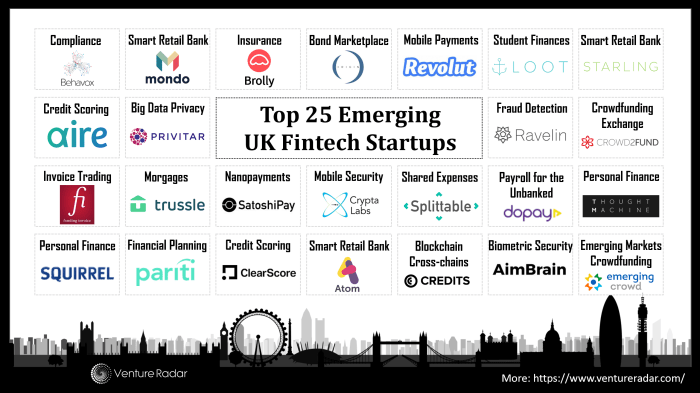
The “25 startups uk late stage accelerator future fifty” program shines a spotlight on the most promising late-stage companies in the UK, offering a unique platform for growth and scaling. This program, backed by the British Business Bank, is more than just an accelerator – it’s a launchpad for ambitious startups looking to dominate their industries.
Think of it as a curated network of the UK’s most promising startups, each with the potential to become a global leader. The program provides a combination of mentorship, investment opportunities, and networking connections, all designed to propel these companies to the next level.
The UK Startup Landscape
The UK has emerged as a global hub for startups, boasting a thriving ecosystem that nurtures innovation and entrepreneurial spirit. The country’s robust startup scene is characterized by a dynamic blend of factors, including a supportive government, a talented workforce, and a vibrant investment landscape.
Key Factors Contributing to Startup Growth
The UK’s startup ecosystem is fueled by a number of key factors that foster growth and success. These include:
- A Skilled and Diverse Workforce:The UK has a highly skilled and diverse workforce, with a strong pool of talent in technology, finance, and other key sectors. This provides startups with access to a rich talent pool, enabling them to build strong teams and drive innovation.
- A Vibrant Investment Landscape:The UK has a vibrant investment landscape, with a growing number of venture capitalists, angel investors, and other funding sources actively seeking out promising startups. This access to capital is crucial for startups to scale their operations and achieve their growth goals.
- Strong University Research and Innovation:The UK boasts world-renowned universities that conduct cutting-edge research and foster innovation. This strong research base provides a fertile ground for the development of new technologies and ideas, which can be leveraged by startups.
- A Supportive Government:The UK government has implemented a number of initiatives to support startups, including tax breaks, grants, and access to mentorship programs. These measures create a favorable environment for startups to thrive and contribute to the UK economy.
Government Initiatives and Funding
The UK government plays a significant role in supporting startups through various initiatives and funding programs. These programs aim to provide startups with the resources they need to succeed, including financial support, mentorship, and access to networks. Some key government initiatives include:
- Startup Loans:The government offers startup loans to help entrepreneurs secure funding for their ventures. These loans are available through a network of accredited lenders and provide access to capital for early-stage businesses.
- The Future Fund:The Future Fund is a government-backed scheme that provides convertible loans to innovative startups during the COVID-19 pandemic. This initiative aimed to provide critical funding to startups facing challenges due to the pandemic.
- The Seed Enterprise Investment Scheme (SEIS):The SEIS is a tax relief scheme that encourages investment in early-stage startups. Investors can claim tax relief on investments in qualifying startups, making it more attractive for individuals to invest in high-growth potential businesses.
- The Enterprise Investment Scheme (EIS):The EIS is another tax relief scheme that provides incentives for investing in smaller, growing companies. This scheme offers tax benefits to investors who invest in qualifying companies, encouraging investment in early-stage businesses.
Late-Stage Accelerators in the UK
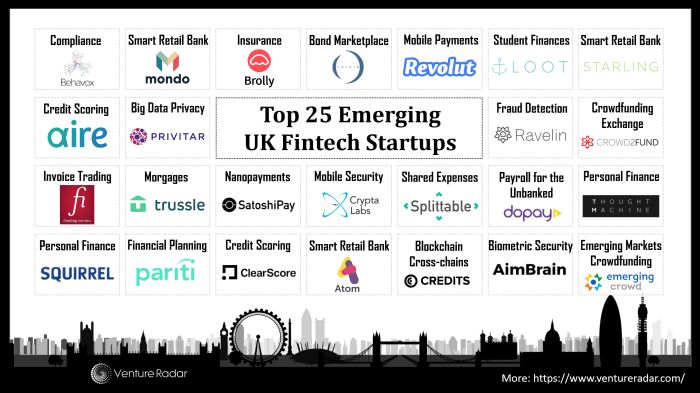
Late-stage accelerators are crucial for the UK’s startup ecosystem, providing high-growth companies with the resources and guidance they need to scale and succeed. These programs cater to businesses that have already established a strong foundation and are ready to take their operations to the next level.
Defining Late-Stage Accelerators, 25 startups uk late stage accelerator future fifty
Late-stage accelerators are designed for startups that have already achieved significant milestones, such as product-market fit, initial traction, and a strong team. These programs offer a unique blend of mentorship, investment, and networking opportunities to help these companies achieve rapid growth and expansion.
Key Characteristics of Successful Late-Stage Accelerator Programs
Successful late-stage accelerator programs share several key characteristics:
- Experienced Mentorship:Programs leverage a network of successful entrepreneurs, investors, and industry experts to provide guidance and support. This mentorship often focuses on strategic planning, scaling operations, and navigating complex challenges.
- Significant Investment:Late-stage accelerators typically offer substantial funding, often in the form of equity investments or debt financing. This funding allows startups to accelerate their growth, expand their teams, and invest in marketing and sales efforts.
- Strong Network:Access to a vibrant network of investors, potential customers, and industry partners is crucial for late-stage startups. Successful programs provide opportunities for networking and collaboration, helping companies secure new partnerships and open doors to new markets.
- Curated Cohort:Late-stage accelerator programs select a highly curated cohort of companies that are aligned in terms of growth potential and industry focus. This creates a collaborative environment where startups can learn from each other and share best practices.
Examples of Prominent Late-Stage Accelerator Programs in the UK
Several prominent late-stage accelerator programs are driving innovation and growth in the UK:
- ScaleUp (Tech Nation):This program supports high-growth tech companies with intensive workshops, mentorship, and access to a network of investors and advisors. It provides companies with the tools and resources they need to scale their operations and expand into new markets.
- The Bakery (Seedcamp):Focused on B2B SaaS startups, The Bakery offers a curated cohort experience, mentorship from experienced founders, and access to a network of investors. The program aims to help companies build sustainable businesses with global potential.
- Founders Factory:This program offers a unique blend of investment, mentorship, and operational support to help startups scale rapidly. Founders Factory provides access to a network of experienced entrepreneurs, investors, and industry experts, as well as a dedicated team of operational specialists.
The Future Fifty Program
The Future Fifty program is a prestigious initiative by Tech Nation, a government-backed organization, designed to identify and support the most promising late-stage technology companies in the UK. It aims to accelerate their growth and contribute to the UK’s position as a global technology leader.
Browse the multiple elements of uk rejoins eu horizon research programme to gain a more broad understanding.
Program Objectives and Criteria
The Future Fifty program has several key objectives:
- Identify and support the UK’s most promising late-stage technology companies.
- Provide access to a network of mentors, investors, and industry experts.
- Offer bespoke support and guidance to help companies scale their businesses.
- Raise the profile of the UK’s tech sector internationally.
To be considered for the Future Fifty program, companies must meet specific criteria:
- Be a UK-based technology company.
- Have a proven track record of growth and innovation.
- Demonstrate a strong management team and a clear vision for the future.
- Be operating in a high-growth market.
- Have a significant potential for international expansion.
Impact of the Future Fifty Program
The Future Fifty program has had a significant impact on participating startups. The program provides access to a network of mentors, investors, and industry experts, which can help companies secure funding, expand their operations, and navigate the challenges of scaling their businesses.
For example, in 2022, the average Future Fifty company raised £25 million in funding, and many companies have expanded their operations into new markets.
“Being part of the Future Fifty program has been invaluable for our company. We have benefited from the mentorship and networking opportunities, which have helped us to raise funding and expand our operations.”
CEO of a Future Fifty company.
Selection Process and Benefits
The selection process for the Future Fifty program is rigorous and competitive. Companies are assessed based on a number of factors, including their financial performance, growth potential, and innovation. Once selected, Future Fifty companies receive a range of benefits, including:
- Access to a network of mentors, investors, and industry experts.
- Bespoke support and guidance from Tech Nation.
- Opportunities to participate in events and workshops.
- Increased media exposure and brand recognition.
- Access to a dedicated team of support staff at Tech Nation.
Success Factors for Late-Stage Startups: 25 Startups Uk Late Stage Accelerator Future Fifty
Late-stage startups in the UK face a unique set of challenges as they transition from high-growth to profitability. They need to navigate complex market dynamics, manage scaling challenges, and foster a strong team culture. Success in this phase hinges on a strategic approach that balances growth, profitability, and sustainability.
Challenges Faced by Late-Stage Startups
Late-stage startups in the UK often encounter several obstacles as they strive to achieve sustainable growth and profitability. These challenges can be categorized into three key areas: market dynamics, scaling complexities, and team management.
- Market Saturation and Competition: As startups mature, they often encounter increased competition in their target market. This can lead to pressure on pricing, customer acquisition costs, and overall market share.
- Customer Acquisition Costs: Acquiring new customers becomes increasingly expensive as the market becomes more competitive. Startups need to find effective and efficient ways to reach their target audience and convert leads into paying customers.
- Scaling Operations: Rapid growth can strain resources and lead to operational inefficiencies. Startups need to ensure that their infrastructure, processes, and team are scalable to accommodate increasing demand.
- Maintaining a Strong Team Culture: As startups grow, it becomes crucial to maintain a positive and productive work environment. This requires effective communication, clear goals, and a strong sense of shared purpose.
Strategies for Overcoming Challenges
Successful late-stage startups adopt a combination of strategies to overcome these challenges and achieve sustainable growth. These strategies can be broadly classified into three categories: market expansion, scaling operations, and team building.
Market Expansion Strategies
Late-stage startups often expand their market reach by exploring new geographical territories, targeting new customer segments, or developing new product lines.
- Geographic Expansion: Expanding into new markets can provide access to new customer bases and revenue streams. However, it requires careful market research, local adaptation, and effective distribution strategies.
- New Customer Segments: Targeting new customer segments can diversify revenue streams and mitigate risks associated with relying on a single market.
- Product Diversification: Developing new products or services can cater to evolving customer needs and enhance market competitiveness. However, it requires careful product development, market testing, and effective marketing strategies.
Scaling Operations Effectively
Scaling operations involves optimizing processes, automating tasks, and building a robust infrastructure to accommodate increased demand.
- Process Optimization: Streamlining workflows, eliminating redundancies, and implementing lean methodologies can improve efficiency and reduce operational costs.
- Automation: Automating repetitive tasks can free up resources for more strategic activities and improve accuracy.
- Infrastructure Scaling: Investing in scalable infrastructure, including cloud computing, data storage, and network capacity, is essential for handling increased traffic and data volumes.
Building a Strong Team
Building a strong team culture is crucial for attracting and retaining top talent, fostering innovation, and achieving long-term success.
- Clear Communication: Open and transparent communication is essential for aligning goals, fostering trust, and ensuring that everyone is on the same page.
- Employee Development: Investing in employee training and development programs can help to retain talent, enhance skills, and create a culture of continuous learning.
- Employee Engagement: Creating a positive and engaging work environment can boost employee morale, productivity, and loyalty.
Importance of Scaling, Market Expansion, and Team Building
Scaling, market expansion, and team building are crucial for late-stage startups to achieve sustainable growth and profitability.
- Scaling: Scaling operations allows startups to handle increased demand, reduce costs, and improve efficiency. It is essential for maintaining profitability and supporting continued growth.
- Market Expansion: Expanding into new markets can diversify revenue streams, mitigate risks, and provide access to new customer bases. It can also help startups to achieve economies of scale and increase market share.
- Team Building: A strong team culture is essential for attracting and retaining top talent, fostering innovation, and achieving long-term success. It can also help startups to navigate challenges, adapt to changing market conditions, and achieve their strategic goals.
Trends and Future Outlook
The UK startup landscape is a dynamic and constantly evolving ecosystem, driven by technological advancements, shifting consumer preferences, and evolving regulatory frameworks. As we look towards the future, it’s crucial to understand the emerging trends shaping the trajectory of late-stage startups and the role of accelerators like Future Fifty in fostering their growth.
Impact of Technological Advancements
Technological advancements are driving significant changes in the startup landscape, creating new opportunities and challenges for late-stage companies. Artificial intelligence (AI), blockchain, and the Internet of Things (IoT) are transforming industries and disrupting traditional business models.
- AI is enabling startups to automate processes, personalize customer experiences, and gain valuable insights from data. For example, AI-powered chatbots are revolutionizing customer service, while AI-driven predictive analytics are helping businesses optimize operations and make data-driven decisions.
- Blockchain technology is fostering transparency and trust in transactions, enabling secure and efficient data management. Blockchain-based solutions are being explored in various sectors, including finance, supply chain management, and healthcare.
- The IoT is connecting physical devices and creating vast networks of data, enabling real-time monitoring, automation, and remote control. Startups are leveraging IoT to develop innovative solutions in areas like smart homes, smart cities, and industrial automation.
Late-stage startups need to embrace these technologies and leverage them to gain a competitive advantage. They must invest in research and development, build skilled teams, and develop innovative solutions that meet the evolving needs of the market.
Future of Late-Stage Accelerators
Late-stage accelerators like Future Fifty are playing a crucial role in supporting the growth of high-potential startups. These programs provide mentorship, networking opportunities, and access to funding, helping startups scale their operations and reach new markets.
- Accelerators are increasingly focusing on providing tailored support to startups in specific industries, such as fintech, healthcare, and cleantech. This specialized approach enables accelerators to connect startups with industry experts, investors, and potential partners.
- There is a growing trend towards global collaboration among accelerators, fostering cross-border partnerships and supporting startups in expanding their reach.
- Accelerators are also exploring new ways to leverage technology to enhance their programs, such as using online platforms for mentorship and networking, and employing AI-powered tools for data analysis and insights.
As the startup landscape continues to evolve, late-stage accelerators will need to adapt their programs to meet the changing needs of startups. They must remain agile, innovative, and focused on providing value to their portfolio companies.