
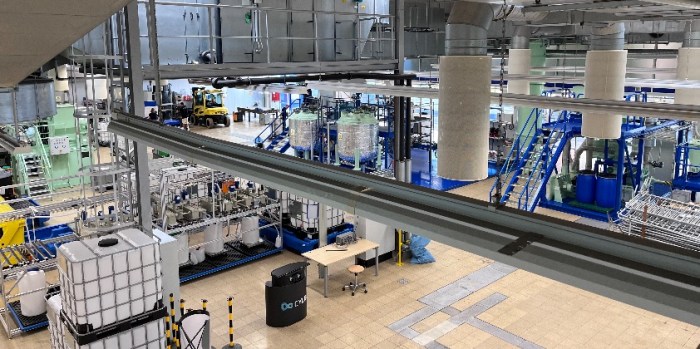
German startup cylib starts building europes largest ev battery recycling plant – German startup Cylib starts building Europe’s largest EV battery recycling plant, setting the stage for a sustainable future for the electric vehicle industry. Cylib, a company dedicated to responsible battery recycling, is taking a bold step towards addressing the growing need for efficient and environmentally friendly solutions.
This ambitious project, set to become Europe’s largest EV battery recycling plant, will play a crucial role in supporting the transition to a greener automotive sector.
The plant will utilize innovative technologies to recover valuable materials from used EV batteries, including lithium, cobalt, and nickel. These materials can be reused in new batteries, reducing the demand for mining and minimizing the environmental impact of battery production.
This circular approach not only promotes sustainability but also creates new business opportunities and strengthens Europe’s position in the global battery recycling market.
Cylib’s EV Battery Recycling Plant
Cylib, a German startup, is taking a bold step towards a sustainable future by building Europe’s largest EV battery recycling plant. This ambitious project underscores Cylib’s commitment to tackling the growing challenge of EV battery disposal and its dedication to circularity in the electric vehicle industry.
The Scale and Significance of Cylib’s Plant
Cylib’s recycling plant will be a game-changer for the European EV market. It will be capable of processing a significant volume of end-of-life EV batteries, ensuring that valuable materials are recovered and reused. This is crucial for Europe’s ambitious goal of becoming a leader in electric mobility.
The plant’s size and capacity will enable Cylib to play a pivotal role in closing the loop on the EV battery lifecycle, contributing to a more sustainable and circular economy.
Key Features and Technologies
Cylib’s recycling plant will employ cutting-edge technologies to ensure efficient and environmentally friendly battery recycling. These technologies will focus on:
- Hydrometallurgical Processing:This process uses water-based solutions to extract valuable metals from the batteries, minimizing the use of harmful chemicals and reducing environmental impact.
- Closed-Loop Recycling:Cylib aims to maximize the recovery of valuable materials, such as lithium, nickel, cobalt, and manganese, ensuring that these critical resources are reused in new batteries. This closed-loop approach significantly reduces reliance on mining for these materials.
- Automated Material Sorting:The plant will incorporate advanced sorting technologies to separate different battery components, ensuring the highest level of material recovery and reducing waste generation.
Environmental and Economic Benefits
Cylib’s recycling plant will deliver substantial environmental and economic benefits:
- Reduced Environmental Impact:By recycling EV batteries, Cylib will contribute to reducing the environmental footprint of electric vehicles. This will involve minimizing landfill waste, conserving natural resources, and lowering greenhouse gas emissions associated with battery production.
- Resource Security:Europe’s reliance on imports for critical battery materials is a significant concern. Cylib’s recycling plant will help address this by providing a domestic source of these materials, strengthening Europe’s resource security.
- Economic Growth:The plant will create new jobs and stimulate economic activity in the region. It will also foster innovation in the battery recycling sector, positioning Europe as a leader in this growing industry.
The Growing Need for EV Battery Recycling: German Startup Cylib Starts Building Europes Largest Ev Battery Recycling Plant
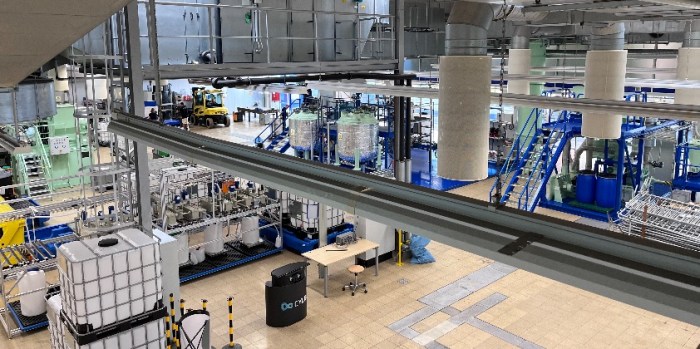
The rapid adoption of electric vehicles (EVs) is driving a surge in demand for lithium-ion batteries, the primary energy storage component in EVs. This surge presents a significant challenge: the eventual disposal of these batteries, which contain valuable materials but also pose environmental risks.
The need for EV battery recycling is becoming increasingly urgent as the EV market expands, necessitating sustainable solutions to manage the growing volume of end-of-life batteries.
Environmental Challenges of EV Battery Disposal
The disposal of EV batteries presents a complex set of environmental challenges. These batteries contain valuable resources, such as lithium, cobalt, nickel, and manganese, but their improper disposal can lead to environmental pollution and resource depletion.
- Resource Depletion:Lithium-ion batteries rely on critical minerals that are often sourced from countries with limited reserves and questionable environmental practices. The increasing demand for these materials, fueled by the EV market, could lead to resource depletion and exacerbate geopolitical tensions.
In this topic, you find that translators losing work ai machine translation is very useful.
- Environmental Hazards:EV batteries contain heavy metals and other hazardous substances that can leach into the environment if not disposed of properly. These substances can contaminate soil and water sources, posing risks to human health and ecosystems.
- Landfill Concerns:Landfilling EV batteries is not a sustainable option. Batteries can leak toxic substances into the soil and groundwater, and their large size and weight make them difficult to manage in landfills.
Economic Potential of EV Battery Recycling
EV battery recycling presents a significant economic opportunity, offering both environmental benefits and commercial value.
- Value of Recovered Materials:EV batteries contain valuable metals that can be recovered and reused in new batteries or other applications. Recycling these materials can reduce reliance on mining and contribute to a more circular economy.
- New Business Opportunities:The growing need for EV battery recycling is creating new business opportunities for companies specializing in battery recycling technologies, logistics, and materials processing. This sector is expected to experience significant growth in the coming years.
- Reduced Costs:Recycling EV batteries can reduce the cost of battery production by lowering the need for virgin materials. This can make EVs more affordable and accelerate the transition to a cleaner transportation system.
“The global EV battery recycling market is expected to reach $18.2 billion by 2028, growing at a CAGR of 24.5% during the forecast period.”
Grand View Research
Cylib’s Approach to Battery Recycling
Cylib’s approach to EV battery recycling is characterized by its commitment to a circular economy and its focus on developing innovative technologies to maximize resource recovery. This commitment is evident in the company’s unique approach to battery recycling, which involves a multi-step process designed to recover valuable materials while minimizing environmental impact.
Materials Recovered from Recycled Batteries
Cylib’s recycling process focuses on recovering a wide range of valuable materials from EV batteries, including:
- Lithium:A critical component of EV batteries, lithium can be recovered and reused in new batteries, contributing to a sustainable battery supply chain.
- Nickel:Another essential component, nickel can be recycled and used in various industries, including stainless steel production and battery manufacturing.
- Cobalt:Cobalt is a valuable metal that can be recovered and reused in batteries, electronics, and other applications.
- Manganese:Manganese is a key component of EV batteries and can be recycled and reused in various industries.
- Copper:Copper is a valuable metal that can be recovered and reused in electrical wiring, plumbing, and other applications.
- Aluminum:Aluminum is a lightweight and durable metal that can be recycled and reused in various industries.
Comparison with Other Recycling Methods
Cylib’s recycling methods differ from those of other companies in the industry in several key ways:
- Hydrometallurgical Processing:Cylib utilizes hydrometallurgical processing, a highly efficient method that involves using chemicals to extract valuable metals from the battery materials. This approach is known for its high recovery rates and its ability to handle complex battery chemistries.
- Closed-Loop System:Cylib aims to create a closed-loop system where the recovered materials are reused in new batteries, reducing the reliance on virgin materials and minimizing environmental impact.
- Sustainable Practices:Cylib prioritizes sustainable practices throughout its recycling process, minimizing waste generation and emissions.
“Cylib’s approach to battery recycling is a game-changer. It combines innovative technologies with a commitment to sustainability, creating a truly circular economy for EV batteries.”Dr. Anna Schmidt, Head of Sustainability at Cylib
The Impact of Cylib’s Plant on Europe
Cylib’s ambitious EV battery recycling plant in Europe holds the potential to significantly impact the continent’s transition towards sustainable transportation. By establishing a large-scale recycling infrastructure, Cylib aims to contribute to a circular economy for EV batteries, fostering economic growth and technological advancements in the region.
Contribution to Sustainable Transportation, German startup cylib starts building europes largest ev battery recycling plant
Cylib’s plant will play a crucial role in promoting sustainable transportation in Europe by:
- Reducing reliance on virgin materials:Recycling EV batteries significantly reduces the demand for lithium, cobalt, and nickel, which are often sourced from environmentally sensitive regions. This minimizes the environmental impact associated with mining and extraction.
- Minimizing waste and promoting resource efficiency:By recovering valuable materials from used EV batteries, Cylib’s plant will prevent them from ending up in landfills, where they can pose environmental risks. This approach aligns with the principles of a circular economy, maximizing resource utilization and minimizing waste.
- Boosting the adoption of electric vehicles:By providing a sustainable solution for battery disposal, Cylib’s plant can help alleviate concerns about the environmental impact of EV batteries, encouraging wider adoption of electric vehicles across Europe.
Implications for Job Creation and Economic Growth
The construction and operation of Cylib’s plant will create significant job opportunities in Europe, contributing to economic growth in the region.
- Direct employment:The plant itself will require a substantial workforce for operations, maintenance, and technical expertise.
- Indirect employment:The plant will stimulate demand for services and products from other industries, creating indirect job opportunities in areas such as logistics, transportation, and research and development.
- Investment in local communities:Cylib’s investment in the plant will boost local economies, providing opportunities for businesses and residents.
Technological Advancements and Innovation
Cylib’s plant will serve as a hub for technological advancements in EV battery recycling, fostering innovation and driving the development of new technologies.
- Research and development:Cylib’s commitment to research and development will lead to the exploration of new and more efficient recycling methods, improving recovery rates and reducing environmental impact.
- Collaboration with universities and research institutions:Cylib’s plant can serve as a platform for collaboration with universities and research institutions, fostering knowledge sharing and driving technological advancements in the field of battery recycling.
- Development of new recycling technologies:Cylib’s investment in cutting-edge recycling technologies will contribute to the development of innovative solutions for battery recycling, further enhancing sustainability and resource efficiency.
Challenges and Opportunities
Scaling up EV battery recycling in Europe presents both challenges and opportunities.
- Building a robust collection infrastructure:Ensuring the efficient collection of used EV batteries from across Europe is crucial for the success of Cylib’s plant. This requires collaboration with stakeholders across the value chain, including car manufacturers, battery producers, and waste management companies.
- Meeting the growing demand for recycled materials:As the adoption of electric vehicles increases, the demand for recycled battery materials will also rise. Cylib’s plant needs to scale its operations to meet this growing demand, ensuring a consistent supply of recycled materials for battery manufacturers.
- Developing innovative recycling technologies:Further advancements in recycling technologies are needed to improve recovery rates and reduce the environmental impact of the process. Cylib’s plant can play a key role in driving these technological advancements.
Future of EV Battery Recycling
The future of EV battery recycling is bright, with advancements in technology and growing demand for sustainable practices driving innovation. As the EV market continues to expand, the need for efficient and environmentally friendly battery recycling solutions will become increasingly crucial.
Technological Advancements and Innovations
Technological advancements are playing a pivotal role in enhancing the efficiency and effectiveness of EV battery recycling.
- Improved Sorting and Separation Techniques:Advanced sorting and separation technologies are being developed to effectively separate different materials within EV batteries, including lithium, cobalt, nickel, and manganese. This enables more efficient recovery and reuse of valuable resources.
- Hydrometallurgical Processing:Hydrometallurgical processing methods are gaining traction, offering a more environmentally friendly approach to extracting valuable metals from batteries. These methods involve using aqueous solutions to dissolve and recover metals, minimizing the use of harsh chemicals and reducing environmental impact.
- Artificial Intelligence and Machine Learning:AI and machine learning are being integrated into battery recycling processes to optimize material recovery, enhance quality control, and predict potential issues. These technologies can analyze vast amounts of data and identify patterns to improve efficiency and accuracy.
Role of Governments and Industry Stakeholders
Governments and industry stakeholders are crucial in fostering a robust EV battery recycling ecosystem.
- Policy Support:Governments can implement policies that incentivize battery recycling, such as extended producer responsibility (EPR) schemes and financial incentives for companies involved in recycling activities. This will encourage investment in infrastructure and technology, driving innovation and growth in the sector.
- Industry Collaboration:Collaboration between battery manufacturers, recyclers, and research institutions is essential to develop standardized recycling processes and promote best practices. This will ensure efficient and sustainable recycling practices across the industry.
- Public Awareness:Raising public awareness about the importance of EV battery recycling is critical. Education campaigns and public outreach programs can highlight the environmental benefits of recycling and encourage responsible disposal of batteries.
Cylib’s Plant and the Circular Economy
Cylib’s state-of-the-art EV battery recycling plant has the potential to significantly influence the development of a circular economy for EV batteries.
- Closed-Loop Recycling:Cylib’s plant aims to create a closed-loop recycling system, where valuable materials from recycled batteries are used to manufacture new batteries. This will reduce reliance on virgin materials and minimize environmental impact.
- Resource Recovery and Reuse:By effectively recovering and reusing valuable materials, Cylib’s plant will contribute to resource conservation and reduce the need for mining new resources. This will have a positive impact on the environment and reduce dependence on resource-intensive extraction processes.
- Sustainable Supply Chain:Cylib’s plant will create a more sustainable supply chain for EV batteries by providing a reliable source of recycled materials for battery manufacturers. This will encourage the use of recycled materials in battery production, promoting a circular economy model.