

Europe semiconductor sector calls chips act 2 0 – Europe Semiconductor Sector Calls for Chips Act 2.0, a bold initiative aimed at revitalizing the continent’s semiconductor industry. This ambitious plan seeks to address the critical need for a robust and resilient European semiconductor ecosystem, a crucial component for driving technological innovation and economic growth.
The Chips Act 2.0 aims to bolster the sector’s competitiveness by investing in research and development, fostering talent, and creating a more robust supply chain.
The European semiconductor industry faces significant challenges, including a reliance on foreign suppliers, a shortage of skilled workers, and intense competition from global giants. The Chips Act 2.0 offers a roadmap for addressing these issues and positioning Europe as a leading player in the global semiconductor landscape.
The Act seeks to stimulate innovation and attract investment, creating a thriving ecosystem that can compete with the best in the world.
The European Semiconductor Sector
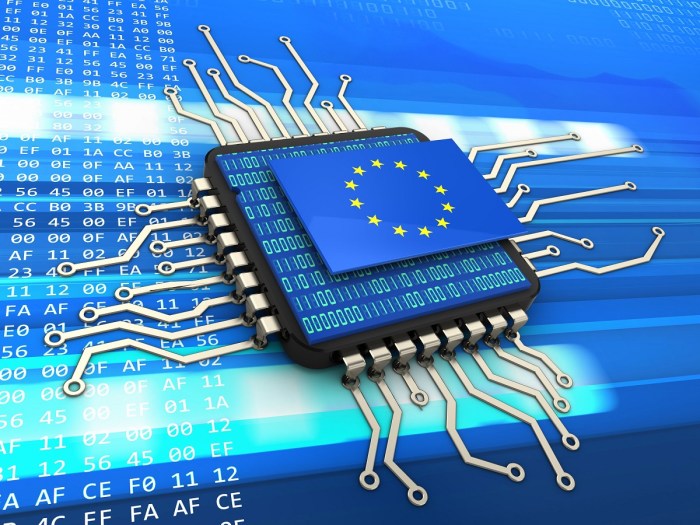
The European semiconductor industry is undergoing a period of significant transformation, driven by both global trends and specific regional initiatives. While Europe has historically played a crucial role in semiconductor development, it has faced challenges in recent years, particularly in terms of manufacturing capacity and market share.
However, there is a growing sense of urgency and ambition to reclaim its position as a global leader in this critical sector.
The Current State of the European Semiconductor Industry
The European semiconductor industry is characterized by a strong research and development base, with world-class universities and research institutions contributing to cutting-edge advancements in semiconductor technology. The sector is also home to a number of innovative companies, particularly in the areas of design, software, and specialized applications.
However, Europe faces several challenges in maintaining its competitiveness, including a lack of large-scale manufacturing facilities, dependence on external suppliers for key components, and a shortage of skilled workers.
Strengths and Weaknesses of the European Semiconductor Sector
- Strengths:
- Strong research and development capabilities, with world-class universities and research institutions.
- Presence of innovative companies specializing in design, software, and specialized applications.
- Strong focus on sustainability and energy efficiency in semiconductor production.
- Growing government support for the sector through initiatives like the European Chips Act.
- Weaknesses:
- Limited manufacturing capacity compared to global competitors like Asia and the United States.
- High dependence on external suppliers for key components, leading to supply chain vulnerabilities.
- Shortage of skilled workers in semiconductor engineering and manufacturing.
- Fragmented nature of the European semiconductor industry, with limited collaboration between companies.
Key Players and Areas of Expertise in the European Semiconductor Ecosystem
The European semiconductor ecosystem is comprised of a diverse range of companies, each with its own area of expertise. Some key players include:
- ASML (Netherlands):Leading manufacturer of lithography machines, essential for semiconductor fabrication.
- STMicroelectronics (France/Italy):Global semiconductor manufacturer with a strong presence in automotive, industrial, and consumer electronics.
- Infineon Technologies (Germany):Focuses on power semiconductors and automotive electronics.
- NXP Semiconductors (Netherlands):Specializes in automotive, industrial, and communication semiconductors.
- ARM (United Kingdom):Designs processor architectures widely used in smartphones, tablets, and other devices.
Innovative Technologies and Research in Europe
European researchers and companies are at the forefront of innovation in various semiconductor technologies, including:
- Advanced Packaging:Developing new packaging technologies to improve performance and efficiency of semiconductor devices.
- Quantum Computing:Exploring the potential of quantum computing for solving complex problems in various fields.
- Artificial Intelligence (AI) Chips:Designing specialized chips for AI applications, such as image recognition and natural language processing.
- Energy-Efficient Semiconductor Design:Developing low-power semiconductor technologies to reduce energy consumption and carbon footprint.
The Chips Act 2.0
The European Union’s Chips Act 2.0 is a crucial initiative designed to strengthen Europe’s position in the global semiconductor industry. It aims to address the vulnerabilities exposed by the recent chip shortage and ensure Europe’s technological sovereignty and economic competitiveness.
Goals and Objectives
The Chips Act 2.0 seeks to achieve several key goals:
- Increase European semiconductor production:The Act aims to double Europe’s share of global semiconductor production by 2030, reaching a 20% market share. This ambitious target will require significant investments in research, development, and manufacturing infrastructure.
- Strengthen supply chain resilience:The Act recognizes the importance of a secure and diversified supply chain for semiconductors. It aims to reduce Europe’s reliance on external suppliers by promoting domestic production and fostering strategic partnerships with other countries.
- Boost innovation and technological leadership:The Act prioritizes research and development in advanced semiconductor technologies, including artificial intelligence (AI), quantum computing, and next-generation communication networks. This will position Europe at the forefront of technological innovation and ensure its competitiveness in the global marketplace.
Measures to Support the Semiconductor Sector
The Chips Act 2.0 Artikels a comprehensive set of measures to support the European semiconductor sector:
- Financial incentives:The Act provides substantial financial support for research, development, and manufacturing projects in the semiconductor industry. This includes grants, loans, and tax breaks for companies investing in European production facilities.
- Public-private partnerships:The Act encourages collaboration between governments, research institutions, and private companies to accelerate innovation and technology development in the semiconductor sector. This will leverage the combined expertise and resources of all stakeholders.
- Skills development:The Act recognizes the need for a skilled workforce to support the growth of the semiconductor industry. It will invest in training programs and education initiatives to ensure a sufficient supply of qualified professionals.
- Regulatory framework:The Act will create a favorable regulatory environment for semiconductor companies, including streamlined permitting processes and support for intellectual property protection.
Potential Impact on the European Semiconductor Industry
The Chips Act 2.0 has the potential to significantly transform the European semiconductor industry:
- Increased investment:The Act’s financial incentives are expected to attract substantial investments from both domestic and foreign companies, leading to the establishment of new manufacturing facilities and research centers.
- Job creation:The expansion of the semiconductor industry will create new jobs in manufacturing, research, and engineering, boosting the European economy.
- Technological leadership:The Act’s focus on innovation will position Europe as a leader in advanced semiconductor technologies, driving economic growth and creating new opportunities for businesses.
- Enhanced supply chain resilience:By promoting domestic production and fostering strategic partnerships, the Act will reduce Europe’s dependence on external suppliers and ensure a more resilient supply chain.
Addressing Challenges Related to Supply Chain Resilience and Technological Competitiveness
The Chips Act 2.0 addresses the challenges related to supply chain resilience and technological competitiveness by:
- Diversifying sourcing:The Act encourages companies to diversify their sourcing strategies and reduce their reliance on a single supplier. This will help mitigate risks associated with geopolitical instability or disruptions to the global supply chain.
- Investing in strategic partnerships:The Act promotes collaboration with other countries, including the United States and Japan, to ensure a secure and reliable supply of semiconductors. This will leverage the strengths of different countries and create a more robust global ecosystem.
- Supporting research and development:The Act prioritizes research and development in advanced semiconductor technologies, enabling Europe to stay ahead of the curve and compete effectively with other leading nations.
- Developing a skilled workforce:The Act invests in training programs and education initiatives to ensure a sufficient supply of skilled professionals in the semiconductor industry. This will address the current shortage of talent and support the long-term growth of the sector.
Key Areas of Focus for the Chips Act 2.0
The Chips Act 2.0 builds upon the initial Chips Act, aiming to strengthen Europe’s position in the global semiconductor industry. It Artikels a comprehensive strategy to address the challenges and capitalize on the opportunities presented by the rapid technological advancements and geopolitical shifts in the semiconductor landscape.
Investment Priorities
The Chips Act 2.0 prioritizes investments in research and development, manufacturing, and talent development to build a robust and resilient European semiconductor ecosystem.
Research and Development
The Act emphasizes the need for significant investments in research and development to drive innovation and create cutting-edge technologies. This includes funding for:
- Next-generation semiconductor technologies:This includes research on advanced nodes, new materials, and innovative architectures to stay ahead of the technology curve. For instance, the EU’s Horizon Europe program has dedicated funding for research on advanced semiconductor technologies, such as quantum computing and neuromorphic computing.
- Design and development tools:Investments in design and development tools will help European companies create and manufacture competitive semiconductor products. The Act encourages collaboration between research institutions, universities, and industry players to develop advanced design tools and software.
- Emerging applications:The Act recognizes the importance of supporting research on emerging applications of semiconductors, such as artificial intelligence, Internet of Things, and autonomous vehicles. This includes funding for research on specialized chips for specific applications and the development of new functionalities.
You also will receive the benefits of visiting hydrogen fuel cell aviation startup zeroavia largest funding round today.
Manufacturing
The Act aims to increase semiconductor manufacturing capacity in Europe to reduce dependence on external suppliers and ensure a stable supply chain. Key investment areas include:
- Building new fabrication facilities:The Act provides financial incentives for companies to build new semiconductor fabrication plants (fabs) in Europe. This will help create jobs, attract investment, and enhance Europe’s manufacturing capabilities.
- Modernizing existing facilities:The Act supports the modernization and expansion of existing fabs to improve their efficiency and production capacity. This will help Europe leverage its existing infrastructure and expertise to compete with global players.
- Supporting specialized manufacturing:The Act recognizes the importance of supporting specialized manufacturing, such as packaging and assembly, to ensure a complete semiconductor ecosystem. This includes providing incentives for companies to invest in these areas and create a strong domestic supply chain.
Talent Development
The Act emphasizes the need for a skilled workforce to support the growth of the European semiconductor industry. Key initiatives include:
- Attracting and retaining talent:The Act promotes initiatives to attract and retain skilled engineers and scientists in the semiconductor industry. This includes providing scholarships, training programs, and incentives for researchers and engineers to work in Europe.
- Promoting STEM education:The Act encourages investment in STEM education at all levels to create a pipeline of future talent for the semiconductor industry. This includes supporting programs that promote STEM careers and encourage students to pursue education and careers in the field.
- Upskilling and reskilling programs:The Act supports programs to upskill and reskill workers to meet the evolving needs of the semiconductor industry. This includes providing training on new technologies and skills required for the future workforce.
Public-Private Partnerships
The Chips Act 2.0 recognizes the crucial role of public-private partnerships in driving innovation and growth within the semiconductor sector. The Act encourages collaboration between governments, research institutions, and industry players to:
- Share resources and expertise:Public-private partnerships allow for the pooling of resources and expertise to accelerate research and development, overcome technological challenges, and create a more competitive ecosystem.
- Develop joint research projects:Collaborative research projects can leverage the strengths of both public and private sectors to address key challenges and develop cutting-edge technologies.
- Promote knowledge transfer:Public-private partnerships facilitate knowledge transfer between research institutions and industry players, ensuring that cutting-edge research is translated into practical applications.
Collaboration Between European Countries
The Chips Act 2.0 emphasizes the importance of collaboration between European countries to create a unified semiconductor ecosystem. The Act encourages:
- Sharing infrastructure and resources:By sharing infrastructure and resources, European countries can reduce duplication of efforts and maximize the impact of investments. For example, countries can collaborate on building shared research facilities or pooling resources for talent development programs.
- Developing joint strategies:A coordinated approach to policy development and investment can help European countries align their efforts and create a more attractive environment for semiconductor companies.
- Promoting cross-border collaboration:The Act encourages cross-border collaboration between companies, research institutions, and universities to foster innovation and knowledge sharing across Europe.
Challenges and Opportunities for Stakeholders
The Chips Act 2.0 presents both challenges and opportunities for different stakeholders within the semiconductor industry.
For Semiconductor Companies
- Opportunities:
- Access to funding and incentives to support investments in research, development, and manufacturing.
- A more supportive policy environment for semiconductor companies operating in Europe.
- Increased opportunities for collaboration with research institutions and other industry players.
- Challenges:
- Meeting the stringent requirements and conditions for accessing funding and incentives.
- Navigating the complex regulatory landscape and ensuring compliance with EU regulations.
- Competing with global players for talent, resources, and investment.
For Research Institutions
- Opportunities:
- Increased funding for research and development in semiconductor technologies.
- Opportunities for collaboration with industry players to translate research into practical applications.
- Greater visibility and recognition for research in the semiconductor sector.
- Challenges:
- Ensuring that research aligns with the priorities of the Chips Act and addresses key industry needs.
- Maintaining a strong focus on innovation and staying ahead of the technology curve.
- Attracting and retaining top talent to support research efforts.
For Governments
- Opportunities:
- Strengthening Europe’s technological leadership and economic competitiveness.
- Creating new jobs and stimulating economic growth in the semiconductor sector.
- Enhancing Europe’s technological sovereignty and reducing dependence on external suppliers.
- Challenges:
- Ensuring effective implementation of the Chips Act and achieving the desired outcomes.
- Mobilizing sufficient resources to support the ambitious goals of the Act.
- Creating a favorable environment for investment and attracting talent to the semiconductor sector.
Global Implications of the Chips Act 2.0

The Chips Act 2.0, a significant policy initiative by the European Union, has profound implications beyond its immediate geographic scope. It is a direct response to the global semiconductor shortage and aims to strengthen Europe’s position in the global semiconductor landscape.
This ambitious plan, however, is not operating in isolation. Its implementation and success are intertwined with similar initiatives in other regions, most notably the US CHIPS and Science Act. Understanding the interplay between these acts and their broader impact on the global semiconductor ecosystem is crucial for appreciating the full scope of the Chips Act 2.0.
Comparison with the US CHIPS and Science Act, Europe semiconductor sector calls chips act 2 0
The US CHIPS and Science Act, enacted in 2022, shares a common goal with the Chips Act 2.0: to boost domestic semiconductor production and research. Both acts offer substantial financial incentives for companies to build new chip fabrication facilities (fabs) and invest in research and development.
However, there are key differences between the two initiatives:
- Focus:While both acts aim to strengthen their respective domestic semiconductor industries, the US CHIPS and Science Act has a broader scope, encompassing research and development in areas such as artificial intelligence and quantum computing. The EU Chips Act 2.0 is more focused on strengthening its position in the global semiconductor supply chain and reducing its reliance on external suppliers.
- Funding:The US CHIPS and Science Act offers a significantly larger financial package compared to the EU Chips Act 2.0. This difference in funding reflects the scale of the US semiconductor industry and its ambition to reclaim its leadership in the sector.
The EU Chips Act 2.0, while smaller in terms of funding, aims to leverage its existing strengths in research and innovation to attract investment and build a strong domestic semiconductor ecosystem.
- Geopolitical Context:Both acts are also shaped by geopolitical considerations. The US CHIPS and Science Act is seen as a strategic move to counter China’s growing influence in the semiconductor sector and secure its technological dominance. The EU Chips Act 2.0 is driven by a desire to reduce its reliance on external suppliers, particularly from Asia, and enhance its strategic autonomy in the face of global geopolitical shifts.
Impact on Global Semiconductor Supply Chains and Trade Dynamics
The Chips Act 2.0, along with similar initiatives worldwide, is expected to significantly impact global semiconductor supply chains and trade dynamics. Here’s how:
- Reshoring and Nearshoring:The act is likely to encourage companies to shift production back to Europe or to neighboring regions, leading to a reshoring and near-shoring trend. This shift in production could potentially disrupt existing supply chains and lead to new trade patterns.
- Increased Competition:The influx of new fabs and investments in research and development is likely to intensify competition within the global semiconductor industry. This competition could benefit consumers with lower prices and more innovative products, but it could also lead to trade tensions and protectionist measures.
- Geopolitical Tensions:The Chips Act 2.0 and similar initiatives are likely to exacerbate existing geopolitical tensions. The competition for technological dominance and the potential for trade restrictions could create new challenges for international cooperation and collaboration in the semiconductor sector.
Implications for International Cooperation and Collaboration
The Chips Act 2.0 emphasizes the importance of international cooperation and collaboration in the semiconductor sector. The act recognizes that Europe cannot achieve its goals in isolation and that partnerships with other regions are crucial for success.
- Strategic Partnerships:The act encourages the EU to forge strategic partnerships with key players in the global semiconductor ecosystem, including the US, Japan, South Korea, and Taiwan. These partnerships could involve joint research and development initiatives, technology sharing, and coordinated investment in infrastructure.
- Multilateral Cooperation:The EU is also exploring multilateral cooperation mechanisms, such as the G7 and the OECD, to address common challenges in the semiconductor sector. These platforms provide a forum for sharing best practices, coordinating policies, and promoting global stability in the semiconductor industry.
- Open Trade and Investment:The EU emphasizes the importance of open trade and investment in the semiconductor sector. The act calls for a level playing field for all players, including foreign companies, and encourages open access to technologies and markets.
Shaping the Future of the Global Semiconductor Landscape
The Chips Act 2.0, along with similar initiatives in other regions, is poised to significantly reshape the global semiconductor landscape. The act’s focus on attracting investment, supporting research and development, and fostering international collaboration could lead to:
- A More Balanced Global Semiconductor Ecosystem:The act aims to create a more balanced global semiconductor ecosystem with multiple centers of innovation and production. This shift could reduce the dependence on any single region or country and enhance global supply chain resilience.
- Increased Innovation and Technological Advancements:The act’s emphasis on research and development could accelerate innovation in the semiconductor sector, leading to new technologies and applications that benefit society as a whole.
- A More Sustainable Semiconductor Industry:The act encourages the development of sustainable semiconductor technologies and manufacturing processes, contributing to a greener and more environmentally responsible industry.
The Future of the European Semiconductor Sector: Europe Semiconductor Sector Calls Chips Act 2 0
The European semiconductor industry stands at a pivotal juncture, poised for significant growth and transformation. The Chips Act 2.0, a cornerstone initiative aimed at bolstering Europe’s technological sovereignty and competitiveness, will undoubtedly play a crucial role in shaping the future landscape of the sector.
This section delves into the key challenges and opportunities, major milestones, and potential areas for future research and innovation within the European semiconductor ecosystem, ultimately demonstrating how the Chips Act 2.0 can contribute to Europe’s long-term economic and technological competitiveness.
Challenges and Opportunities Facing the European Semiconductor Industry
The European semiconductor industry faces a multitude of challenges and opportunities in the coming years. These factors will significantly influence the sector’s trajectory and require strategic planning and collaborative efforts.
| Challenges | Opportunities |
|---|---|
| Talent shortage in key semiconductor-related fields | Growing demand for advanced semiconductors across various industries |
| High capital investment requirements for advanced fabrication facilities | Increasing government support and investment in the sector |
| Competition from established players in Asia and North America | Focus on niche markets and specialized applications |
| Geopolitical uncertainties and supply chain disruptions | Development of a robust and resilient European semiconductor ecosystem |
| Sustainability concerns related to semiconductor manufacturing | Adoption of green manufacturing processes and technologies |
Major Milestones and Anticipated Developments
The European semiconductor sector is expected to witness a series of major milestones and developments in the coming years, driven by the implementation of the Chips Act 2.0 and the industry’s inherent dynamism.
- 2023-2025:Increased investment in research and development, establishment of new fabrication facilities, and development of advanced technologies, such as quantum computing and artificial intelligence (AI) chips.
- 2026-2028:Emergence of new European semiconductor companies and startups, fostering a more diversified and competitive landscape. Expansion of the European semiconductor ecosystem through collaborations and partnerships.
- 2029-2031:Increased adoption of advanced semiconductor technologies in various industries, leading to significant economic growth and technological advancements. Strengthening of the European semiconductor supply chain, reducing reliance on external suppliers.
Potential Areas for Future Research and Innovation
The European semiconductor sector presents a wealth of opportunities for future research and innovation, focusing on cutting-edge technologies and applications that can drive progress and enhance competitiveness.
- Advanced materials and manufacturing processes:Research into novel materials and fabrication techniques to enhance performance, efficiency, and sustainability in semiconductor production.
- Next-generation computing architectures:Development of new computing paradigms, such as neuromorphic computing and quantum computing, to address the limitations of traditional silicon-based technologies.
- Artificial intelligence and machine learning:Design and development of specialized AI chips for various applications, including autonomous vehicles, healthcare, and industrial automation.
- Internet of Things (IoT) and sensor technologies:Creation of low-power, high-performance semiconductors for connected devices and sensor networks, enabling advancements in smart cities, agriculture, and industrial monitoring.
- Security and privacy:Development of secure and tamper-proof semiconductor technologies to address the growing concerns about data breaches and cybersecurity threats.
Contribution of the Chips Act 2.0 to Europe’s Long-Term Economic and Technological Competitiveness
The Chips Act 2.0 is a strategic initiative that can significantly contribute to Europe’s long-term economic and technological competitiveness by fostering innovation, attracting investment, and strengthening the European semiconductor ecosystem.
- Boosting innovation:The Act’s funding for research and development will accelerate the development of cutting-edge semiconductor technologies, enabling Europe to stay at the forefront of technological advancements.
- Attracting investment:The Act’s incentives for semiconductor manufacturing will attract significant investments from both domestic and international companies, creating jobs and fostering economic growth.
- Strengthening the ecosystem:The Act’s focus on building a robust and resilient European semiconductor ecosystem will promote collaboration and partnerships, fostering a more competitive and innovative environment.