
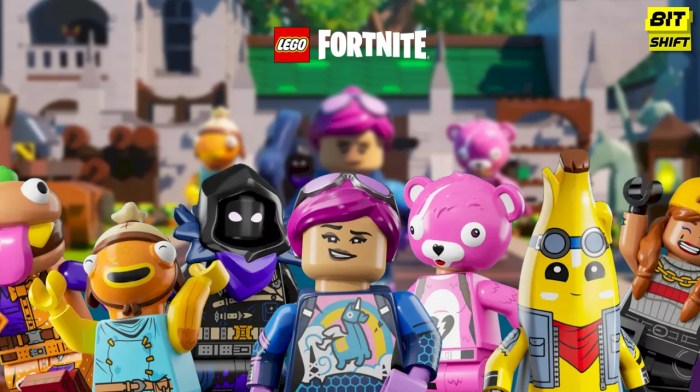
Lego Fortnite Heralds New Gaming Era for Toys, a statement that might seem like hyperbole, actually reflects a significant shift in the way we think about toys and gaming. The collaboration between Lego and Fortnite, two iconic brands, has created a unique hybrid experience that blurs the lines between physical and digital play.
This fusion, which allows players to build and interact with their favorite Fortnite characters in the real world, is not just a novelty; it’s a glimpse into the future of toys, a future where technology and imagination converge.
The rise of play-to-earn mechanics in video games, a trend that has gained considerable traction in recent years, further adds to the complexity of this evolving landscape. While the concept of earning rewards for playing games might seem appealing, it also raises questions about the potential for exploitation and the future of gaming itself.
The implications of this shift, coupled with the growing influence of augmented and virtual reality, are creating a dynamic and unpredictable future for the toy industry.
The Rise of Play-to-Earn
The gaming landscape is undergoing a significant transformation with the emergence of play-to-earn (P2E) mechanics. This new paradigm allows players to earn real-world rewards, such as cryptocurrency or NFTs, for their in-game activities. While P2E has sparked considerable debate, its potential impact on the gaming industry is undeniable.
The Impact of Play-to-Earn on the Gaming Landscape
The rise of P2E has brought about a wave of change, affecting various aspects of the gaming industry.
- Increased Player Engagement: P2E games often incentivize players to spend more time playing, as their efforts directly translate into tangible rewards. This can lead to increased player engagement and retention.
- New Revenue Models: P2E games introduce novel revenue streams for developers, as they can monetize gameplay through in-game economies and tokenized assets. This can provide alternative funding sources compared to traditional models based on microtransactions or subscriptions.
- Emergence of Decentralized Gaming: P2E games are often built on blockchain technology, enabling decentralized ownership and governance. This empowers players to participate in the game’s development and decision-making processes.
- Financial Accessibility: P2E games can offer opportunities for players in developing countries or those with limited access to traditional financial systems to earn income. This can provide economic empowerment and opportunities for financial inclusion.
The Potential for Play-to-Earn in the Future
The future of P2E holds immense potential, with several key trends shaping the landscape.
Investigate the pros of accepting uk first exascale computer edinburgh in your business strategies.
- Integration with Metaverse: P2E mechanics can be integrated into virtual worlds and metaverse platforms, creating immersive experiences where players can earn rewards for their activities. This could lead to the development of virtual economies and marketplaces within these environments.
- Growth of GameFi: GameFi, the fusion of gaming and finance, is expected to flourish with the adoption of P2E mechanics. This will result in the development of complex in-game economies, decentralized finance (DeFi) applications, and innovative gaming experiences.
- Increased Regulation and Adoption: As P2E gains mainstream acceptance, regulatory frameworks will be developed to address concerns regarding financial stability, consumer protection, and responsible gaming practices. This will foster a more mature and sustainable P2E ecosystem.
Lego Fortnite’s Impact: Lego Fortnite Heralds New Gaming Era For Toys
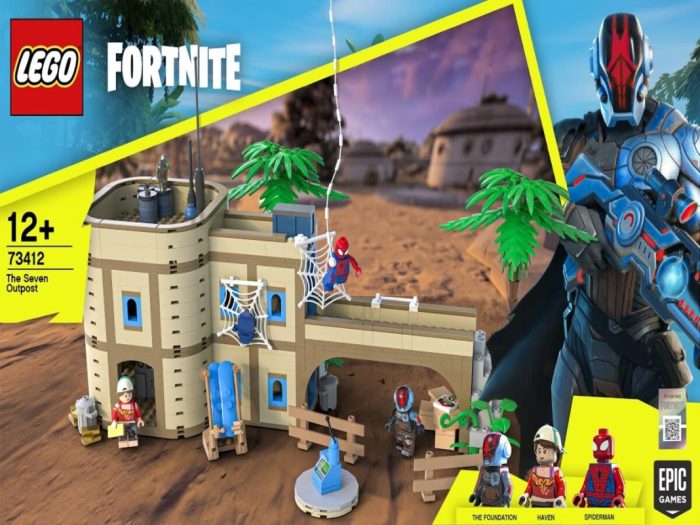
Lego Fortnite represents a significant milestone in the gaming world, blurring the lines between physical and digital play. This innovative collaboration between Lego and Epic Games has the potential to attract new players and revolutionize the way we interact with toys and games.
Bridging the Physical and Digital Divide, Lego fortnite heralds new gaming era for toys
Lego Fortnite bridges the gap between the physical and digital worlds by allowing players to interact with their favorite Fortnite characters and environments in both tangible and virtual forms. The Lego sets provide a physical representation of the game’s iconic locations and characters, while the accompanying digital content enhances the play experience by offering exclusive building challenges, interactive experiences, and augmented reality features.
This seamless integration of physical and digital elements creates a unique and engaging play experience that caters to different preferences and learning styles.
Attracting New Players
The hybrid nature of Lego Fortnite has the potential to attract new players who may not have previously been exposed to the world of Fortnite. By offering a more accessible and familiar format through Lego, the game can appeal to a wider audience, including younger players and those who are not familiar with video games.
The physical sets can serve as an entry point for these new players, allowing them to engage with the Fortnite universe in a more tangible and approachable way. This approach can foster a sense of familiarity and excitement, ultimately encouraging them to explore the digital realm of Fortnite.
Marketing Strategies
Lego Fortnite has employed a multifaceted marketing strategy to promote the product and engage with its target audience. The campaign leverages the existing popularity of both Lego and Fortnite, capitalizing on the strong brand recognition and loyal fan bases of both companies.
- Cross-promotion:The collaboration has been heavily promoted through both Lego and Epic Games’ marketing channels, including social media, websites, and in-game events. This cross-promotion strategy has ensured maximum exposure to both existing Fortnite and Lego fans.
- Influencer Marketing:Lego Fortnite has collaborated with popular gamers and influencers to promote the product to their large and engaged audiences. This strategy effectively reaches a wider audience and generates buzz around the product.
- Targeted Advertising:Lego Fortnite has used targeted advertising to reach specific demographics, such as children and young adults, who are most likely to be interested in the product. This approach ensures that the marketing message resonates with the target audience and maximizes the chances of generating interest.
The Future of Toys
The world of toys is undergoing a dramatic transformation, fueled by the relentless march of technology. Augmented reality (AR) and virtual reality (VR) are poised to reshape the industry, blurring the lines between the physical and digital realms. These immersive technologies offer unparalleled opportunities for interactive play, educational experiences, and personalized entertainment.
Impact of Technology on Traditional Toy Companies
The rise of technology presents both challenges and opportunities for traditional toy companies. The emergence of digital entertainment platforms and the increasing popularity of mobile games have led to a decline in traditional toy sales. However, companies that embrace innovation and adapt to the changing landscape can thrive.
- Integration of Technology:Many toy companies are integrating technology into their products, creating hybrid toys that combine physical elements with digital experiences. For example, Lego has introduced interactive sets that connect to mobile apps, allowing children to build and program their creations.
- Focus on Educational Value:Traditional toy companies are also emphasizing the educational value of their products, recognizing the importance of developing critical thinking, problem-solving, and creativity skills in children.
- Strategic Partnerships:Companies are forming strategic partnerships with technology companies to develop innovative products and reach new audiences. For instance, Mattel has collaborated with Google to create augmented reality experiences for its iconic Barbie dolls.
Designing a Hypothetical Toy that Combines Physical and Digital Elements
Imagine a toy robot that seamlessly blends the physical and digital worlds. This robot would have a tangible, interactive body that children could build, customize, and control. It would also be equipped with sensors and actuators that allow it to interact with its environment and respond to commands.
Through a companion app, children could program the robot’s actions, customize its appearance, and access a virtual world where they could interact with other robots and complete challenges.
This hypothetical toy could revolutionize the way children play, fostering creativity, problem-solving skills, and a deeper understanding of technology.